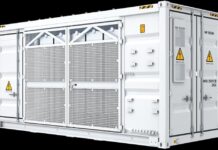
Efficiency is advertised at rated load even though most operation occurs far below that point. Two technical bids may look similar on a capital-cost worksheet and behave very differently over a decade of changing loads and maintenance. The useful comparison is what the operation will cost at normal demand as well as at its planned maximum.
Look Beyond the Purchase Price
A data center power module must fit both the site electrical design and the maintenance procedures operators can safely perform. A sound comparison identifies which costs are fixed at installation and which follow the actual workload. Oversizing, service access and a delayed expansion can each have material effects on the budget. The cost case starts with demand, not a catalogue. Because the goal is coordinating protection, conversion, distribution and maintenance in a defined electrical footprint, planning should specify size feeders, UPS reserves, cabinet allocations and next-stage additions from realistic operating loads. Every assumption that changes later has a potential engineering price.
Verify the Operating Assumptions
Vendor calculations often use a tidy reference case. A meaningful comparison needs measured operating conditions. Examine conversion losses, thermal conditions, switch events, maintainability and available N+1 headroom. Claims made solely at a nominal rated point rarely settle the life-cycle question.
Teams reviewing data center power module resources should ask which drawings, limits and interfaces have been verified for their own site rather than adopting a generic configuration.
Count the Hidden Integration Work
Integration is not free simply because packages have compatible-looking connections. A hidden cost often appears where responsibilities overlap. Examine the connection from prefabricated electrical equipment to upstream utility and downstream critical loads, including validation labour, supporting records, training and the time needed to resolve unexpected behaviour.
Keep Efficiency in Perspective
Energy savings matter, but a favourable metric cannot compensate for avoidable service interruption. Operational risk belongs in the cost case. Protection settings that trip a wider electrical section than the original fault requires may lead to lost output and emergency repair labour; the advantage of a simpler maintenance procedure is easy to overlook. Maintenance bypasses should be practised under approved conditions; a drawing that looks correct is not a substitute for a usable switching sequence.
Model More Than One Demand Case
Build at least a conservative case and a faster-growth case. The most honest model compares compact integration versus access for replacement, selective isolation and growth. Make the assumptions visible so the procurement team can see which result changes as demand or energy pricing changes.
When comparing data center power module material, distinguish brochure-level options from the site-specific scope written into the eventual contract.
Request Evidence You Can Audit
Request a calculation method, source working premises and measurable guarantees where appropriate. Evidence matters more than a polished specification. Examine single-line diagrams, short-circuit working premises, test coverage, battery service access and local standards compliance, and request a realistic account of how the selected approach performs under part-load and maintenance conditions. Ask who supplies critical spares locally and whether replacements can be fitted without reprogramming unrelated equipment.